

Key Takeaways
-
Begin decluttering by sorting items into four categories: Trash, Give Away/Sell, Keep, and Store.
-
Use a timer to create a sense of urgency and to break the decluttering process into manageable segments.
-
Enlist the help of a friend or family member to make the process more efficient and enjoyable.
-
For large items and bulk removal, consider scheduling a bulk trash pick-up or hiring professional junk removal services.
-
Maintain a clutter-free space by establishing daily habits and regularly scheduled decluttering sessions.
Quick Start to Clutter-Free Living
Feeling overwhelmed by the mountains of junk in your home? You’re not alone. The first step to reclaiming your space is understanding that decluttering doesn’t have to be a daunting task. With a few strategic moves, you can quickly and effectively get rid of unwanted items and enjoy a more organized, peaceful living environment.
Understanding the Impact of Junk
Before diving into the nitty-gritty of junk removal, it’s important to recognize how excess clutter affects your life. Studies have shown that a cluttered home can lead to increased stress and anxiety. It can also make cleaning more difficult and time-consuming, and it might even be a safety hazard. By removing junk, you’re not just clearing space; you’re improving your overall well-being.
Create a Decluttering Mindset
Most importantly, decluttering starts with the right mindset. Acknowledge that it’s okay to let things go. Sometimes we hold onto items out of sentiment or because we think we might need them someday. But if something hasn’t been used in a year or doesn’t bring you joy, it’s probably time to say goodbye.
The Four-Box Method for Immediate Junk Sorting
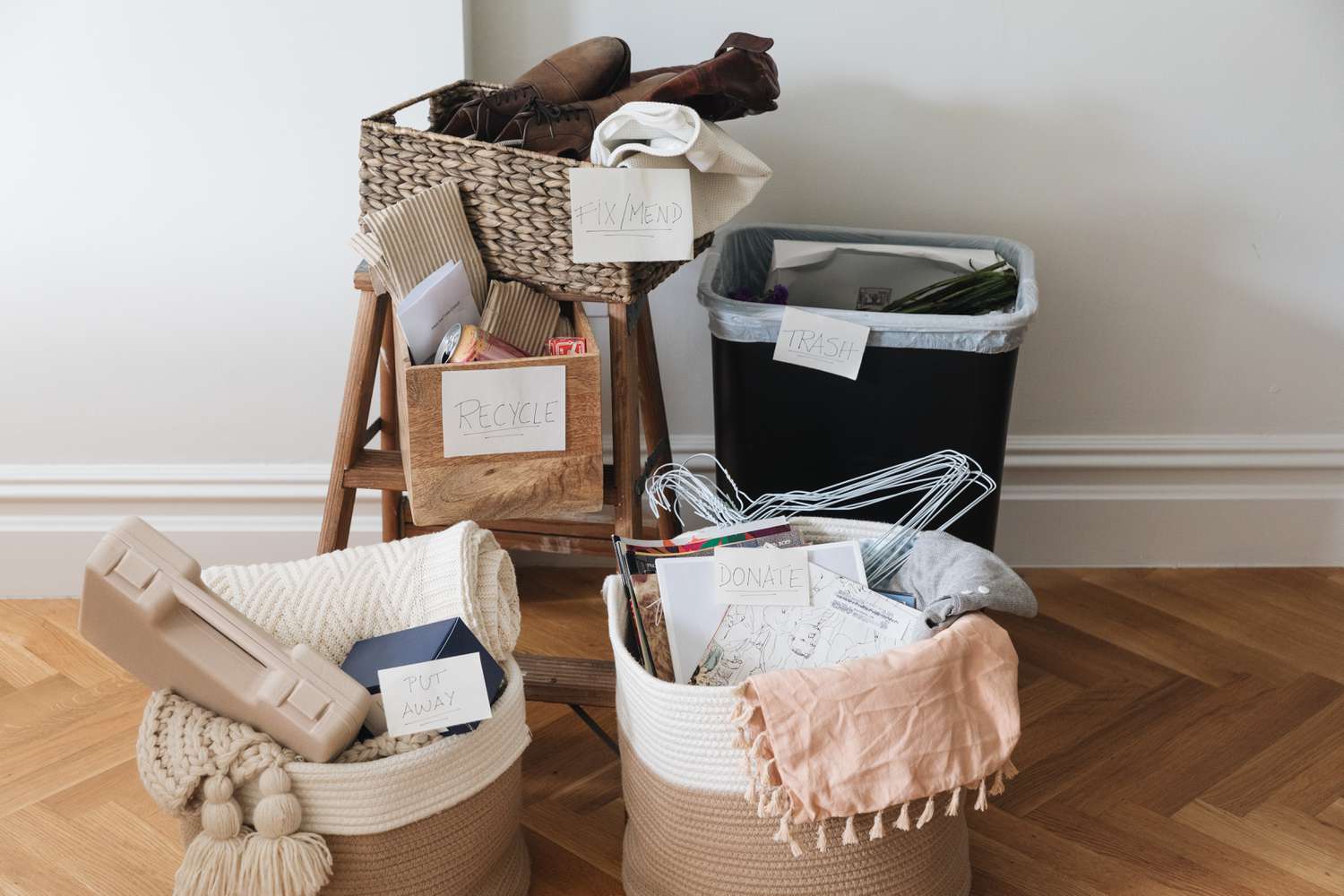
The Four-Box Method is a simple yet effective way to categorize your belongings as you declutter. Grab four boxes and label them: Trash, Give Away/Sell, Keep, and Store. This system forces you to make decisions item by item and prevents you from just shifting clutter from one place to another.
1. Trash: What Goes Straight to the Bin
Begin with the easiest category—trash. These are items that are broken, worn out, or otherwise unusable. Be ruthless here. If it’s not in a condition to be used by someone else and can’t be recycled, it’s time for it to go.
2. Give Away/Sell: Items with a Second Life
Next, consider what can be given away or sold. Items that are in good condition but no longer serve you could be exactly what someone else is looking for. You can sell these items online, at a garage sale, or donate them to charity. Not only will you clear space, but you’ll also be doing good for others or your wallet.
3. Keep: Sorting Out Necessities
The ‘Keep’ box is for items that you use regularly or that have significant sentimental value. Be selective and realistic about what you truly need and use. This step is crucial for maintaining a clutter-free space in the long term.
4. Store: What to Keep but Not Display
Lastly, the ‘Store’ box is for items that you want to keep but do not need access to regularly, such as seasonal decorations or keepsakes. These items can be stored out of the way, but remember to label the boxes clearly so you can find things when you need them.
|
Option |
Pros |
Cons |
|---|---|---|
|
Trash |
– Eliminates clutter and frees up space |
– Potential wastage if items could be reused |
|
Give Away |
– Benefits others who may find value in items |
– Time-consuming to find suitable recipients |
|
Store |
– Preserves sentimental or valuable items |
– Requires storage space that could be used for other purposes |
|
Keep |
– Maintains nostalgia and connection to the past |
– Contributes to clutter and limits space for new items |
When deciding what to do with junk items in a table, whether to trash, give away, store, or keep, each option comes with its own set of advantages and disadvantages
Rapid Removal: Getting Junk Out Fast
Once you’ve sorted your items, it’s time for the rapid removal. This is where you’ll see the fruits of your labor as your space begins to clear out. The key is to act quickly—don’t let the sorted items sit around, or they may start to creep back into your living space.
Therefore, after sorting, immediately bag up the trash and take it out. For the items you’re giving away, schedule a drop-off at your local donation center or list them for sale right away. By acting swiftly, you ensure that the decluttering process keeps moving forward.
Setting a Timer: The Race Against the Clock Strategy
One of the best ways to get rid of junk quickly is to set a timer. This creates a sense of urgency and helps you stay focused. Try setting a timer for 15 minutes and see how much you can get done. You’ll be surprised at how much you can accomplish in short, focused bursts of decluttering.

Buddy System: How A Friend Speeds Up the Process
Decluttering with a friend or family member can make the task more enjoyable and efficient. They can help you stay objective about what to keep and what to let go of, and they can provide the moral support you need to keep going. Besides that, it’s just more fun to tackle a big project with someone else. For more insights, check out these tips to speed up the decluttering process.
Remember, decluttering is a process, and it’s okay if it takes a few sessions to get through everything. The most important thing is to keep moving forward, even if it’s just one box at a time. With these strategies in place, you’ll have a cleaner, more organized space before you know it.
Logistics: Efficient Disposal and Recycling Habits
Once you’ve decluttered, it’s crucial to dispose of the junk responsibly. For recyclables, ensure you’re familiar with your local recycling guidelines. Items like electronics, batteries, and certain plastics require special handling. For larger items or a significant amount of waste, renting a dumpster may be a cost-effective solution. Always prioritize eco-friendly disposal methods to minimize your environmental impact.
Essential Tools for Effortless Decluttering
Having the right tools on hand can make decluttering much easier. Invest in sturdy trash bags, a good set of gloves to protect your hands, and cleaning supplies to tidy up after the junk is gone. Clear storage bins can be helpful for organizing the items you decide to keep, while labeling materials will help you keep track of what’s stored where.
Minimalist Must-Haves for Clearing Clutter
Embracing a minimalist approach doesn’t mean getting rid of everything—it means focusing on what’s important. Keep a donation box in a designated spot in your home so you can continuously collect items to give away. A shredder is also essential for safely disposing of sensitive documents. Lastly, consider a “one in, one out” rule to prevent new clutter from accumulating.
Quick Clean-Up Kit: Supplies You’ll Need
Your quick clean-up kit should include:
-
Heavy-duty trash bags
-
Multi-surface cleaner and cloths
-
Boxes for sorting items
-
Markers and labels for organization
-
Protective gloves and masks
With these supplies, you’ll be prepared to tackle any decluttering challenge that comes your way.
Tackling the Hard-to-Declutter Areas
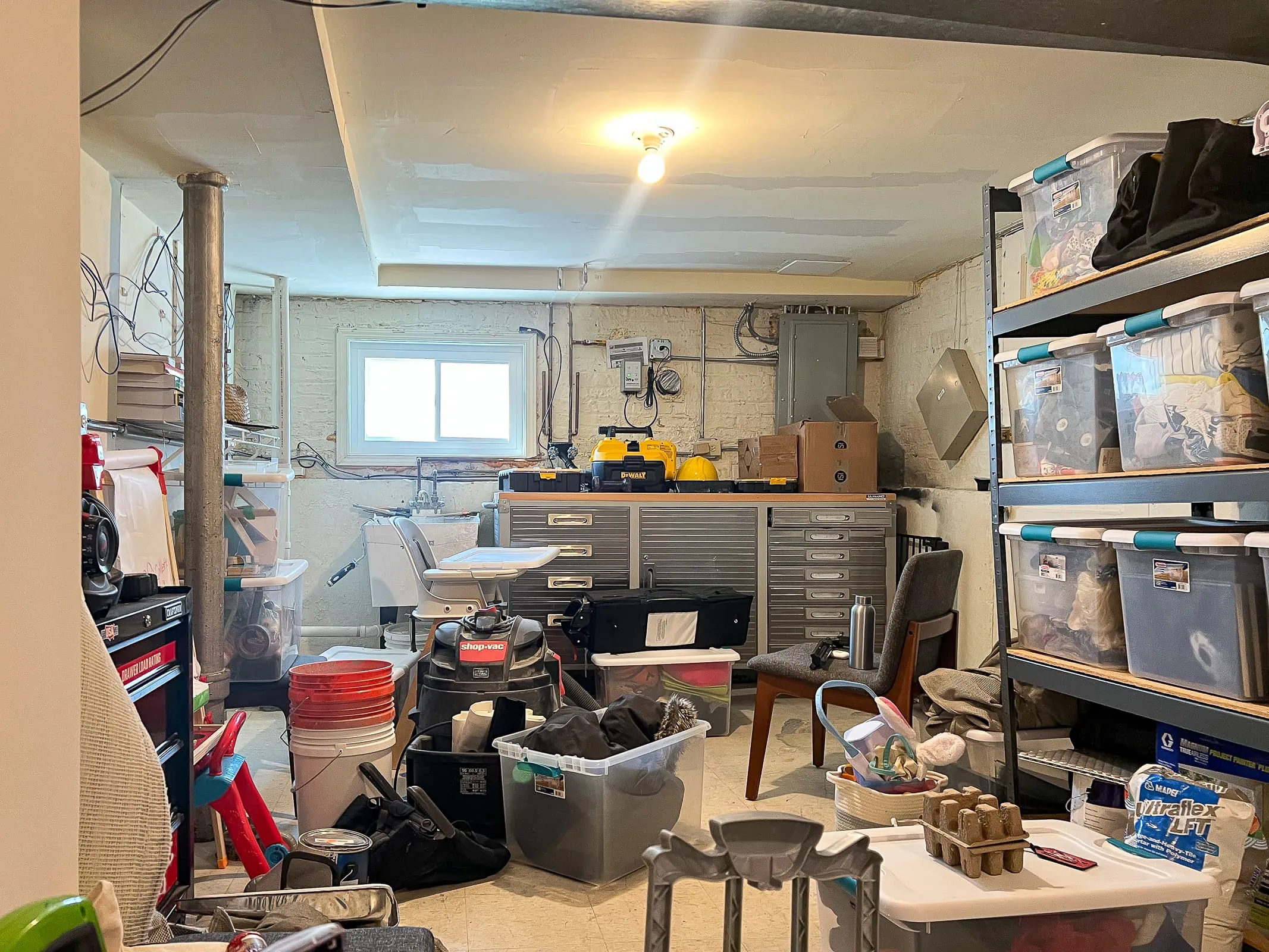
Some areas of the home tend to accumulate junk more than others. The attic, garage, and basement are common culprits. Start with one area at a time to avoid feeling overwhelmed, and use the same sorting method—Trash, Give Away/Sell, Keep, and Store—to maintain consistency and effectiveness. For more structured strategies, consider exploring efficient packing tips and box reduction strategies for a smoother decluttering process.
Attacking the Attic: Organize and Conquer
The attic can be a daunting space to declutter because it often contains items that are out of sight and out of mind. Begin by clearing a pathway to make the task safer and more manageable. Then, sort items into your four categories, taking care to inspect for any hidden treasures or forgotten heirlooms.
Garage Game Plan: Sorting Out the Storage Space
The garage often becomes a catch-all for outdoor gear, tools, and miscellaneous items. Start by removing everything from the garage to get a clear view of the space. Then, sort items methodically, making sure to properly dispose of any hazardous materials like paint or chemicals. Consider installing shelving or pegboards to organize the items you keep.
Downsizing the Basement: Creating a Functional Space
Basements can easily become cluttered with items we think we’ll use “someday.” To declutter your basement, first remove any damp or damaged items that may have been affected by moisture. Then, sort the remaining items, and think creatively about how to repurpose the space. Maybe it’s time for that home gym or craft area you’ve always wanted.
How to Keep Your Space Clutter-Free
After you’ve decluttered, the challenge is to keep it that way. Regularly review your possessions and be mindful of new acquisitions. Implementing a “one in, one out” rule can help maintain balance. Additionally, dedicate time each month to go through your belongings and decide if anything else can be discarded or donated.
Maintaining Minimalism: Daily Habits for a Tidy Home
Daily habits are the foundation of a clutter-free home. Make it a habit to put things away immediately after use, and dedicate 10 minutes at the end of each day to a quick tidy-up session. These simple practices will go a long way in preventing the accumulation of new clutter.
Advance Planning: Preventing Future Pile-Ups
To ensure that your space remains clutter-free, it’s essential to plan. This means being intentional about what you bring into your home and having a designated place for everything. Consider implementing a system where for every new item that comes in, something else must go out. This not only helps to keep your possessions to a manageable amount but also encourages you to think critically about what you truly need and value.
Donation Stations: Where to Drop Off Unwanted Items
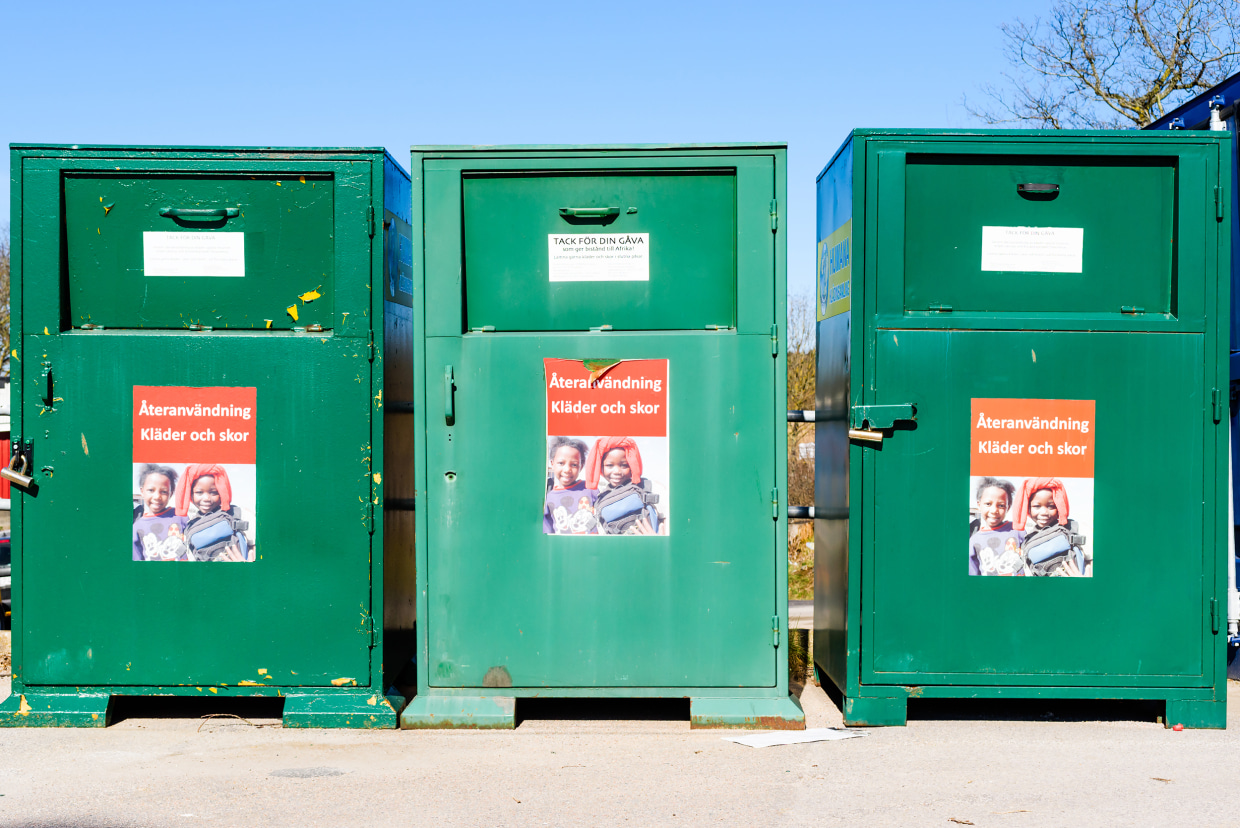
As you sort through your belongings, you’ll likely find many items that are still in good condition but no longer serve you. These items can be given a second life through donation. Look for local charities, shelters, and thrift stores that accept donations, or use donation bins for smaller items. Remember, what’s no longer useful to you could be a treasure to someone else.
Garage Sale Guide: Turn Clutter into Cash
Garage sales are a fantastic way to turn your clutter into cash. Organize your items, price them reasonably, and advertise your sale in local community boards and online marketplaces. Be prepared to haggle and remember the goal is to get rid of items, so be flexible with pricing. Whatever doesn’t sell can be donated or disposed of responsibly.
Bulk Trash Pick-Up: Scheduling Your Large-Scale Disposal
For large items or a significant amount of junk, contact your local waste management company to schedule a bulk trash pick-up. Many municipalities offer this service for free or for a small fee. Ensure you understand the guidelines for what can and cannot be included in bulk pick-up to avoid any issues on the day of collection.
Professional Help: When to Call in Junk Removal Services
If you have a substantial amount of junk or items that are too large for you to handle, it might be time to call in professional junk removal services. These companies can handle everything from furniture and appliances to construction debris. While there is a cost involved, the convenience and efficiency they offer can be well worth it, especially if you’re on a tight schedule.
Frequently Asked Questions (FAQ)
Decluttering can raise a lot of questions, especially if you’re tackling a significant amount of junk. Here are some of the most common questions and straightforward answers to help you through the process.
What’s the Fastest Way to Declutter My Home?
The fastest way to declutter your home is to set a timer and work in short, focused bursts. Use the Four-Box Method to quickly sort items into categories and take immediate action to dispose of, donate, or sell the sorted items. The key is to make quick decisions and avoid second-guessing yourself.

How Can I Stay Motivated During the Decluttering Process?
To stay motivated during the decluttering process, set small, achievable goals and reward yourself for meeting them. Take before and after photos to visualize your progress and remind yourself of the benefits of a clutter-free space. Having a decluttering buddy can also provide encouragement and accountability.
-
Set small goals and reward yourself when you achieve them.
-
Take before and after photos to track your progress.
-
Invite a friend to help and keep you motivated.
Which Rooms Should I Start With When Decluttering?
Start decluttering in the rooms where you spend the most time, as clearing these areas will have the most immediate impact on your daily life. Typically, this means beginning with the kitchen, living room, or bedroom. Once these areas are decluttered, you can move on to less frequently used spaces like the attic or garage.
Are There Any Apps to Help with Decluttering and Junk Removal?
Yes, there are several apps designed to assist with decluttering and junk removal. Apps like ‘Letgo’, ‘OfferUp’, and ‘Decluttr’ can help you sell items, while ‘Toss’ and ‘Clutterfree’ offer guidance on the decluttering process. For donations, ‘Goodwill’ and ‘Habitat for Humanity’ have apps that can direct you to their nearest drop-off locations.
How Do I Dispose of Bulky Items Responsibly?
To dispose of bulky items responsibly, first see if they can be donated or sold. If not, check with your local waste management services for bulk pick-up options or recycling programs for larger items. For items like electronics and appliances, look for specialized e-waste recycling events or facilities in your area.
For example, when dealing with an old couch, you could:
Donate it to a local charity if it’s in good condition.
Sell it online or at a garage sale.
Schedule a bulk trash pick-up if it’s not salvageable.
Contact a junk removal service for hassle-free disposal.
Decluttering is not just about getting rid of stuff—it’s about creating a space that supports your lifestyle and well-being. With these strategies and techniques, you can quickly transform your cluttered rooms into serene, functional spaces. Remember, the key to successful decluttering is taking action and maintaining the habits that keep clutter at bay. So, roll up your sleeves and start reclaiming your space today!
For those looking to move quickly, whether due to a job change, personal circumstances, or the need for a fresh start, it’s important to focus on fast and efficient moving services to ensure a smooth transition. This means not only finding a reliable moving company but also learning how to declutter effectively, understanding what to pack first, and knowing how to manage the moving day. With the right approach, you can transform a potentially stressful situation into an organized and successful move.