

Key Points
-
It’s generally faster to load than unload because it’s easier to put things in an empty space than figure out where they go in a new one.
-
Taking apart furniture before the move can save time on both ends.
-
Using the right equipment, like dollies and straps, can greatly speed up the loading process.
-
Color-coding boxes by room can make unloading faster and more organized.
-
Safety is key; using proper lifting techniques and ensuring clear pathways can prevent injuries and make the move faster.
Make Your Move Smooth: The Ultimate Guide
Moving can feel like a puzzle where every piece has to fit just right for everything to go smoothly. But let’s face it, it often feels more like a tornado of boxes and furniture. But with the right techniques, you can turn the chaos into order. I’m going to show you how to load and unload your belongings with the speed and precision of a professional mover.
Trade Secrets: The Fastest Aspects of Moving
Many people believe that packing takes the most time when moving, but that’s just part of the picture. The true test comes during loading and unloading. This is where efficiency can make a huge difference in your move. It’s not just about speed; it’s about intelligence.
Fast Loading and Unloading: Expert Moving Techniques
Whether you’re a moving newbie or a seasoned pro, knowing the inside scoop can be a game changer. The trick is to work smart, not hard. By using these techniques, you’ll save not only time, but your back as well.
Do movers load or unload faster?
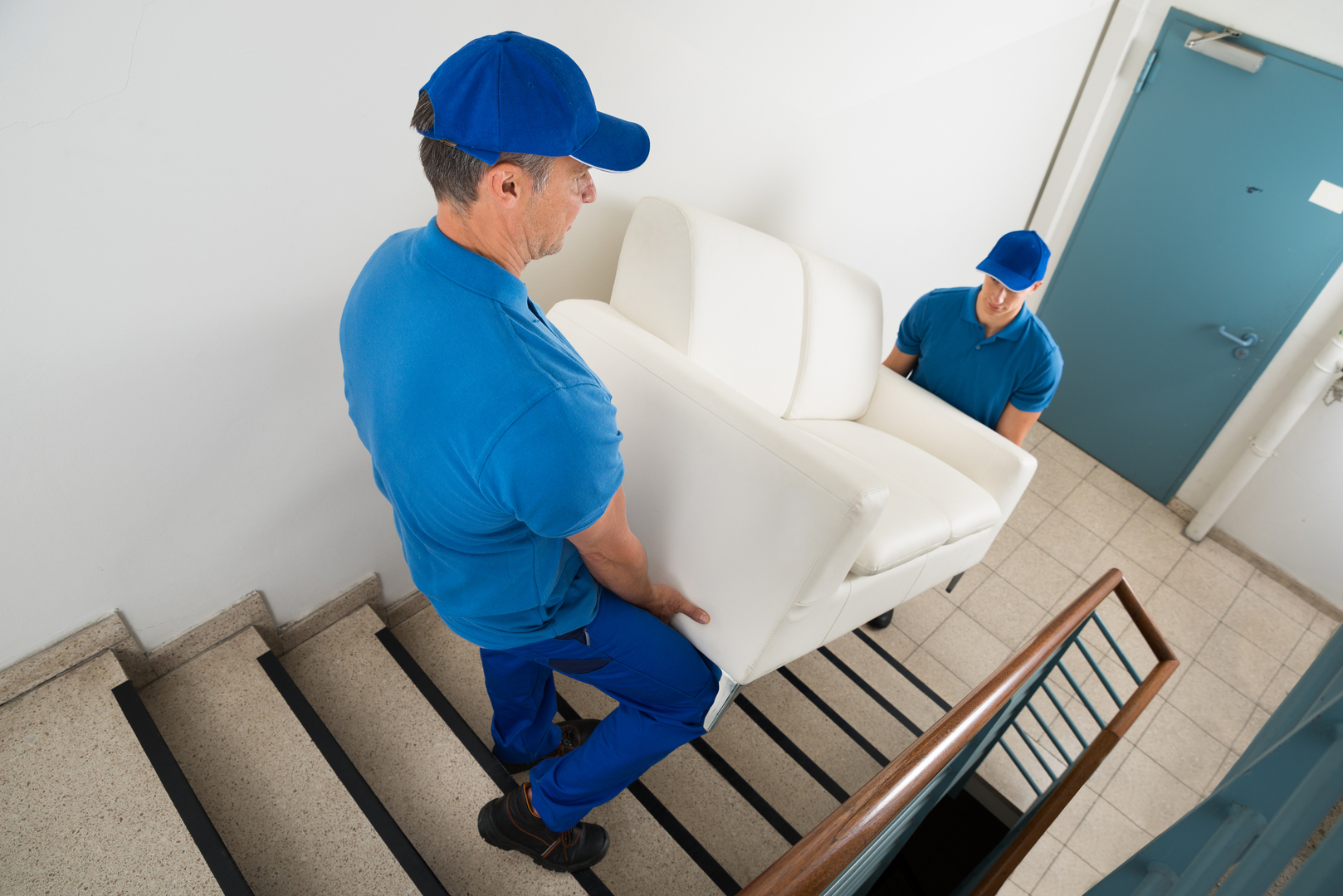
This is a typical question with a not so simple response. Loading might seem quicker because you’re just tossing things into a truck. But it frequently takes longer because you have to plan ahead about where each item will go to make the most of the space and keep your stuff safe.
Load It Right: The Weighty Issue of Balance
Movers must think about how they distribute weight when loading a truck. Heavy items need to be placed at the bottom and towards the front of the truck to keep it balanced while it’s moving. This careful placement might take a bit longer, but it’s essential for a safe move.
Timing It Out: How Long Does the Moving Process Take?
Generally, unloading is quicker because it simply involves taking items from the truck to their new home. But without proper organization, it can take just as long as loading. The secret is to create a plan and follow it.
Unloading, however, can seem like a piece of cake. You’re taking things out of the truck and into their new dwelling. But here’s the catch – without a well-defined plan, unloading can turn into a sluggish, exasperating task that lingers longer than it should.
Boxing 101: How to Pack for Efficiency and Quickness
Packing is more than just stuffing your belongings into boxes. It’s about doing it in such a way that it makes loading and unloading a breeze. Here’s the scoop: use strong, same-sized boxes and avoid overfilling them. Keep things orderly by packing one room at a time, and mark each box with what’s inside and where it’s going.
Time is Money: Smart Loading Techniques
When you’re ready to fill the truck, remember that time is of the essence. Begin with the bulkiest items, such as appliances and furniture, and put them near the front of the truck. This helps balance the weight and also prevents the lighter, more delicate items from being squashed.
Maximizing Space: How to Load Your Moving Truck
To make the most of your space, think of it like a game of Tetris. Stand couches on their end, nest chairs by placing the seats together, and stack boxes all the way to the ceiling. You want to use every inch of space, so there’s no room wasted. Packing your load tightly is not just about being efficient; it also makes it more secure while you’re in transit.
Strength in Motion: Speeding up Loading with Safe Lifting
Correct lifting is crucial. Always use your legs to lift, not your back. This isn’t just for safety’s sake; it’s also about stamina. When you lift the right way, you’ll get tired less rapidly, which means you can work at a quicker pace and have that truck loaded in no time. For more details on how to optimize your packing process, check out our efficient packing tips.
Don’t forget, clear pathways are your ally. Ensure that there’s a secure, unblocked path from the house to the truck. This will quicken the process and assist in avoiding accidents.
However, it’s not all about strength. Technique is also important. When lifting items, keep them close to your body and try not to twist your torso. This will help you keep your balance and control, especially with large items.
Equipment Essentials: Tools That Make Loading Faster
Never undervalue the impact of moving equipment. Dollies, hand trucks, and moving straps can make a job that could break your back feel like a leisurely stroll. They’re particularly beneficial for heavy items such as refrigerators or bookcases. Using these tools not only accelerates the process but also helps avoid damage to your possessions and your body.
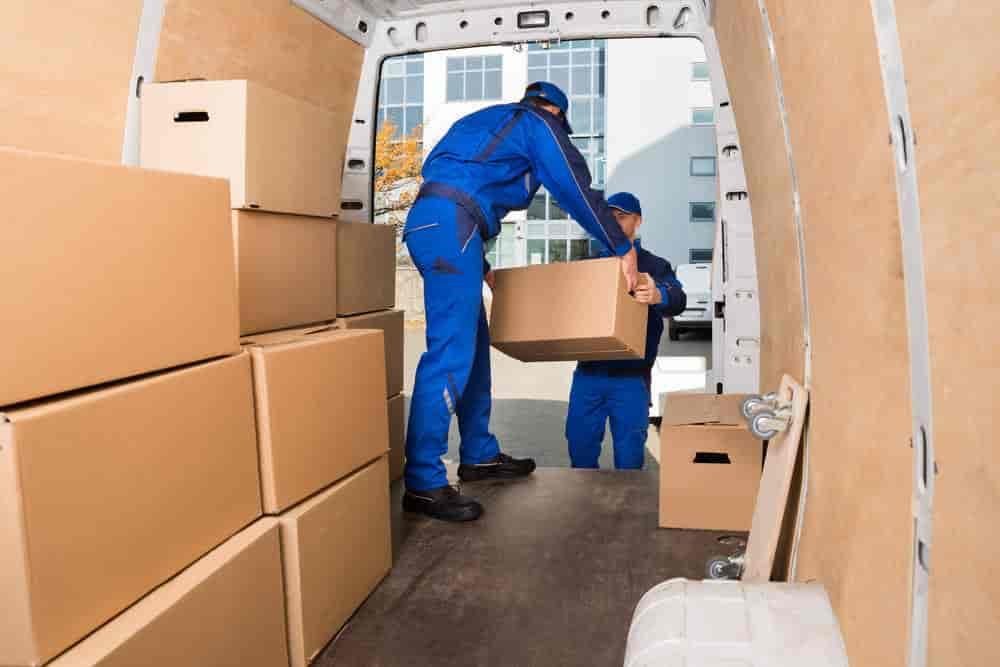
Unloading: Speeding Up Your Move-In
Next, we’ll discuss unloading. It’s not just about getting everything out of the truck. It’s about doing it in a way that makes unpacking a breeze. Have a plan for which items to take out first and where to put them. This can keep you from having to move things around multiple times and help you get settled in more quickly.
Unload One Room at a Time: A Strategy for Efficient Unpacking
What’s the trick to fast unloading? It’s all about organization. As each item is removed from the truck, take it straight to the room it belongs in. This is where your labeling system comes in handy. If you’ve used color-coded labels on your boxes, you’ll know exactly where each one goes without having to think twice.
For instance, use blue for the bedroom, green for the kitchen. It’s a straightforward system that saves a lot of time. It also makes it easier for helpers to know where to go without constantly asking you for directions.
Another tip: establish a staging area in each room. This is where you can put boxes and furniture as they come in, keeping the center of the room clear for easier movement.
Keep Things Flowing: Organizing Your Unloading Team
Regardless if you’ve employed experts or asked help from friends and family, communication is crucial. Ensure that everyone is aware of their task and what they need to do. Assign one person to oversee the operation, so there’s no misunderstanding about where things should be placed. And maintain a high spirit. A cheerful disposition can make the time pass quickly. For more detailed guidance, check out our moving checklist and packing tips to help organize your unloading process.
The Home Stretch: Unpacking Necessities and the First Night Box
Congratulations! You’ve arrived. The moving truck is empty, and your new home is brimming with potential. But before you kick up your feet, there’s one more task. Unload your necessities box – the one with toiletries, snacks, and a fresh outfit. Then, prepare your First Night Box with bedding, sleepwear, and anything else you’ll need to have a comfortable first night’s sleep in your new home.
Everything else can wait until tomorrow. Right now, it’s about taking a moment to breathe and appreciate what you’ve accomplished. You’ve moved efficiently, and now it’s time to enjoy your new space.
Let’s address some of the most frequently asked questions about how to make your move as smooth and efficient as possible. Whether you’re doing it yourself or enlisting the help of professionals, these tips will make sure you’re ready to go.

Commonly Asked Questions
If you’re in the process of planning a move, you likely have a lot of questions. I’ve gathered some of the most common ones and provided answers to help make your move as smooth as possible.
What’s the best way to pack a moving truck to speed up loading?
When packing your moving truck, think of it like a game of Tetris. Start with your largest and heaviest items, and put them towards the front of the truck. From there, fill in the gaps with boxes, making sure to stack them with the heaviest on the bottom and the lightest on top. Use furniture pads and moving blankets to protect your items and fill in any spaces to prevent your things from moving around while in transit.
What tools can help make moving faster?
There are several tools that can make a slow move a fast one:
-
Dollies and Hand Trucks: These are great for moving multiple boxes or heavy appliances.
-
Furniture Sliders: These allow you to easily glide heavy items across floors.
-
Straps and Ropes: These are used to secure items during transport.
-
Moving Blankets and Pads: These are used to protect furniture and fill gaps in the truck.
-
Tape Gun: This is used for quick and secure box sealing.
Spending money on these tools can drastically decrease the time and effort you need for your move.
How do I keep my stuff safe while also making it easily accessible?
It’s important to prioritize safety. Wrap delicate items in bubble wrap and packing paper and put them in boxes that are clearly marked. To make things easily accessible, pack a box labeled “Open First” with necessary items like tools, cleaning supplies, and snacks. This box should be placed somewhere in the moving truck where it can be easily reached. For more detailed techniques, consider reading about effective strategies for loading and unloading to simplify your move.
How can you work with movers to make the process go smoothly?
It’s all about communication. Talk to your movers about your plan and what you expect from them before the big day. Then, on moving day, have one person in charge of telling the movers where everything goes. This will prevent any mix-ups and make sure everything ends up where it’s supposed to.
Does the type of move impact the speed of loading and unloading?
Yes, it does. The details of your move—how far you’re moving, how many items you’re moving, and the design of your new home—can all influence how fast you can load and unload. Loading for long-distance moves may need to be more meticulous to ensure items are safe for the journey, while you might be able to be a bit more lax with local moves.
Ultimately, a successful move isn’t just about speed. It’s about accuracy, preparation, and the comfort of knowing your belongings are secure. And if you ever feel swamped, remember that professional movers are just a click away. They can lighten your load—quite literally—making sure your move is as efficient and worry-free as possible.
|
Aspect |
Loading |
Unloading |
|---|---|---|
|
Efficiency |
Loading is usually efficient as the driver can immediately get back on the road with a new trailer. |
Unloading can be less efficient as it may involve waiting for the contents of a trailer to be unloaded. |
|
Physical Strain |
Loading can be physically demanding, especially when handling heavy cargo and working at a fast pace. |
Unloading can also be physically taxing, particularly when dealing with unloading heavy items or packages. |
|
Time Management |
Loading requires quick thinking and planning to ensure proper loading of the trailer to avoid issues later. |
Unloading may involve less planning but can be physically demanding and require coordination with others. |
|
Touch Requirement |
Loading often involves physical handling of cargo, requiring more direct involvement from the driver. |
Unloading can sometimes be a “no-touch” process, where the driver does not need to handle the cargo directly. |
|
Driver Satisfaction |
Some drivers may prefer loading for the challenge and variety it offers in managing cargo efficiently. |
Other drivers may find unloading preferable due to potentially reduced physical strain and direct handling. |
And that’s a wrap! You now have a complete guide to efficient moving techniques. Whether you’re more worried about loading or unloading quickly, keep in mind that with some preparation, the proper equipment, and a bit of patience, you can master your move. And if you need a bit of help, don’t hesitate to Contact Us. We’re here to help make your move as smooth as possible.